








 Trip Overview


Mount Mera Peak, Amphu Lapcha, and Lobuche Peak in Khumbu: These two trekking peaks and high remote pass is some of the most popular among other Nepal’s trekking peaks and passes in Nepal.
Read More
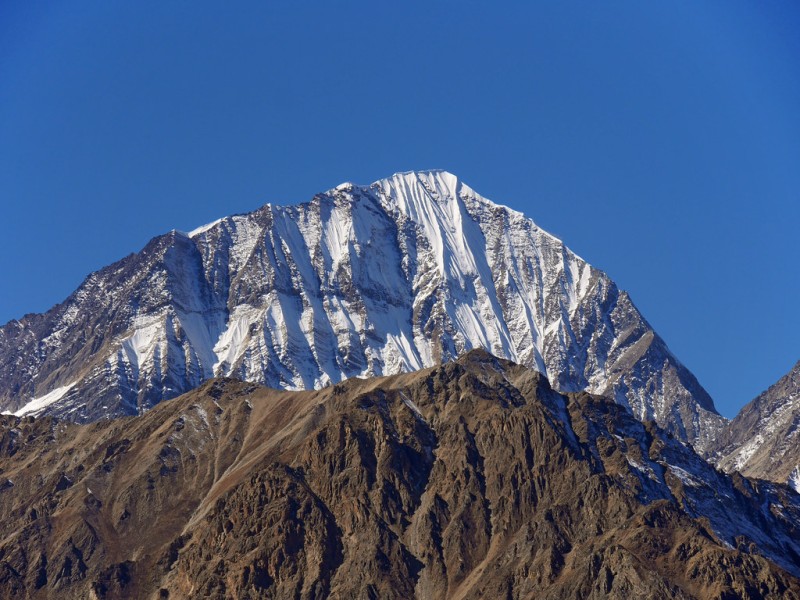
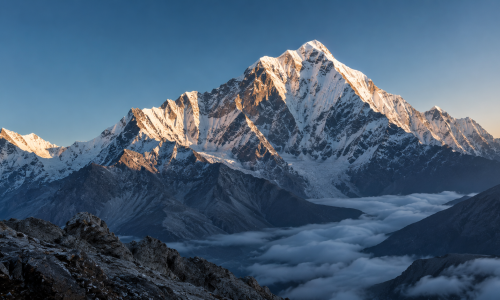
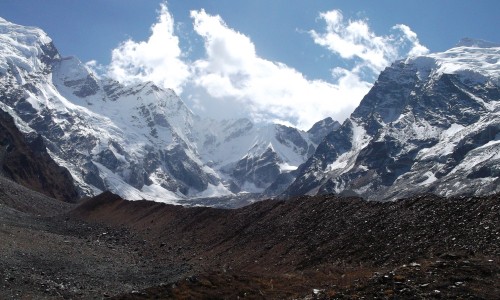
Mount Mera Peak, Amphu Lapcha, and Lobuche Peak in Khumbu: These two trekking peaks and high remote pass is some of the most popular among other Nepal’s trekking peaks and passes in Nepal. Mera Peak: Mount Mera Peak is a beautiful trekking peak in the Everest and Makalu borderline of Nepal standing at an altitude of 6,476m (21,247 ft). A mountain in the Mahalangur section, Barun sub-section of the Himalaya, and administratively in Nepal's Sagarmatha Zone, Solukhumbu District. At 6,476 meters it is classified as a trekking peak. It contains three main summits: Mera North, 6,476 Mera Central, 6,461m, and Mera South, 6,065 as well as breathtaking views of Everest, Lhotse, Makalu, Cho Oyu, Kanchenjunga and many other great summits of 6-7000m ranging mountains. Amphu Lapcha La Pass: One of the most beautiful, technically difficult and challenging trekking Himalayas passes between Everest and Hunkhu region, Situated on the top of upper Hunku valley. The crossing of the pass requires the use of technical climbing equipment and trekkers must be skilled in the use of this and be prepared. The trail will follow crossing Amphu Lapcha down to Everest's classic route to Chukung but you’ll head towards Lobuche Peak BC for another beautiful ascent. Lobuche Peak: Is a mountain in Sagarmatha National Park of the Himalayas of eastern Nepal. There are two main peaks, Lobuche East and Lobuche West. Classifies Lobuche East (6,119m) as a "Trekking Peak '', Which was first recorded ascent by Laurence Nielson and Sherpa Ang Gyalzen on April 25, 1984. And Lobuche West (6,145m) as an "Expedition Peak''. Which was first climbed in 1955 via the South Shoulder. As the easier, trekking peak, the East peak is climbed far more frequently than the West peak, Between the two peaks is a long deeply notched ridge, however a steep drop and considerable distance makes approaching the West peak from the East impossible. Lobuche is one of the most common trekking peaks in Nepal. Technical enough to climb. Basic techniques and information of mountaineering (such as using crampons on boots, using climbing ropes, ice axes, harnesses, carabiners, Descender devices, etc..) is required to plan this trip. So you should have basic knowledge about this. The difficulty of Mera Climbing and crossing via Amphu Lapcha La Pass would be a plus point before climbing Lobuche Peak. Condition: Mera and Lobuche Peak are the most common trekking peaks in Nepal. Technically, the Mera Peak is a non-technical peak that anyone can climb if they have some knowledge of previous climbing and are used to high altitudes. But climbing Lobuche is technical enough to climb. Basic techniques and information about mountaineering (such as using crampons on boots, climbing ropes, ice axes, harnesses, carabiners, Descender devices, etc..) are required to plan this trip. So you should have basic knowledge about this. The difficulty of Mera Climbing and crossing via Amphu Lapcha La Pass would be a plus point before climbing Lobuche Peak.
Trip Facts
- Country: Nepal
- Starting/Ending: Kathmandu
- Activity: Trekking, scrambling, glacier safari, High Passes, Peak and ice climbing.
- Trip Duration: 22 days (KTM-KTM only)
- Trip Grade: Moderate to Xtreme
- Accommodation: Tea houses and a Tented Camp.
- Transportation: Tourist Car/ Van/ Domestic flights
- Max Altitude: 6,461m
- Group size: 2 minimum up to 14 maximum.
- Best time: Spring/Autumn.
 Itinerary
 Cost includes
- Arrival & Departure: Airport - Hotel transfers – Airport (Pick Up and Drop).
- Hotel Accommodation In Kathmandu: 2-night Hotel (5* Standard) Hotel Accommodation in Kathmandu B/B
- Member transportation:
Overland Transportation: Kathmandu-Ramachap-Kathmandu (142. km 3-4 hrs) By Jeep, Car, or Van as per group and scheduled itinerary.
Domestic AIR Transportation: Fly from Ramechhap-Lukla-Ramechhap (15. minutes) as per the scheduled itinerary.
- Permit: All necessary paperwork; Trekking permits, National Park Fee, Local VDC Entrance Fee, Mera Peak and Lobuche Peak climbing permit, Sagarmatha and Makalu Barun National Conservation area entry and other required necessary permits.
- Garbage Management: Garbage Deposit fees.
- Insurance: Medical & Emergency rescue Insurance for all involved staff during the trek and expedition.
- Expedition Stuffs Transportation: Necessary all equipment Transportation for all Members and staff from Kathmandu-Ramechhap-Kathmandu overland by Car, Jeep or Van as per group size.
Ramechhap-Lukla-Ramechhap (by Air) and from Lukla to Base camp (By Porters and Yak).
While returning: Mountain to Lukla (By Yak or Porter ) and Lukla to Ramechhap (by small aircraft) and Ramechhap-Kathmandu per scheduled itinerary.
- Member Luggage: Up to 15.Kg per member for personal baggage during the trek carried by the porter. NOTE: baggage more than 15.Kg p/p will charge extra additional cost at the Airport.
- Lodging & Fooding: Food 3 meals a day (BLD; including tea and coffee) along with accessible accommodation at Lodge/Tea house/Camp during the Trek, Basecamp, and Camp 1.
- Porter: 2 members 1 Porters (30.kg) Lukla-Phortse-Lukla
- Yak : Phortse-Nirikha B.C-Phortse
- At High Camp (Mera) and Camp 1 (Lobuche): Each Member VE-25 North-Face individual Tent Foam Mattresses and pillows per member will be provided at B.C and above 1 Tent for Two members.
- Camping Kitchen Equipment: At Base Camp requires necessary Dining+Kitchen, Toilet, Shower and Tents and Kitchen equipment including Table, Chair will be provided. At High Camp and Camp Above: EPI Gas and a small pot will be carried for the purpose of Hot meal cooking and High Expedition Food will be provided. Toilet Tents as well as tents for Climbing Sherpa Guide staff including all necessary equipment will be provided which is required for the Climbing period.
- Staff Salary and allowance: All Nepalese staff, Climbing Sherpa Climbing + Daily wages including Porters and Yak daily wages, salaries, equipment, and food.
- Radio Walkie Talkie and SAT Phone: Radio Walkie Talkie / Thuraya SAT Phone (For emergency use only. (SAT Phone For member use $.5 per minute)
- Map / Medical Kit Box: Trekking Route Map and Comprehensive Medical kit for local staff use only.
- VAT and Taxes: All government and local taxes
- Farewell Dinner: Farewell Dinner in a Tourist standard restaurant with Xtreme Climbers Staff.
 Cost Excludes
- Airfare: International flight airfare (from and to Kathmandu).
- Nepal entry Visa fee: Nepal Visa fee USD 60 per person for 30 days (to be applied for 60 days (USD 120).
- Sightseeing: Sightseeing around historical monuments and entrance fees.
- Extra night in Kathmandu and Lunch & Dinner: Extra night accommodation and Lunch & dinner during the stay in Kathmandu In case of early arrival or late departure, early return from Trekking / Expedition (due to any reason) than the scheduled itinerary.
- Insurance: Travel and high altitude insurance, accident, medical & emergency evacuation.
- Rescue Evacuation: Medical Insurance and emergency rescue evacuation costs if required. (Rescue, Repatriation, Medication, Medical Tests, and Hospitalization costs.)
- Personal Trekking / Climbing equipment and Personal Expenses: Personal Trekking and Climbing Gear, Internet, battery recharge, Hot shower, Laundry, any Alcoholic beverages & soft drinks (during the trek and in Kathmandu), and Personal Medical Kit bags.
- Filming: Special Filming, Camera, and Drone permit fee.
- Summit Bonus: Summit bonus for climbing Sherpa minimum USD 750.
- Tips: Calculate some tips for Base camp staff and Porters.
- Extra: Any other services or activities, which are not mentioned in the itinerary.
- Any other item not listed in the “Cost Includes” section.
NOTE: Climbing Gears and Equipment belong to Xtreme Climbers used during Trekking / Expedition. Should return back to the company after completing the Trekking / Expedition.


Related Packages


![Sharphu IV [6433m] Climbing Expedition](https://xtremeclimbers.com/storage/package/feature/1745395267.jpg)



Copyright ©2026 All rights reserved | Xtreme Climbers Treks and Expedition - Your Adventure Partner in Nepal