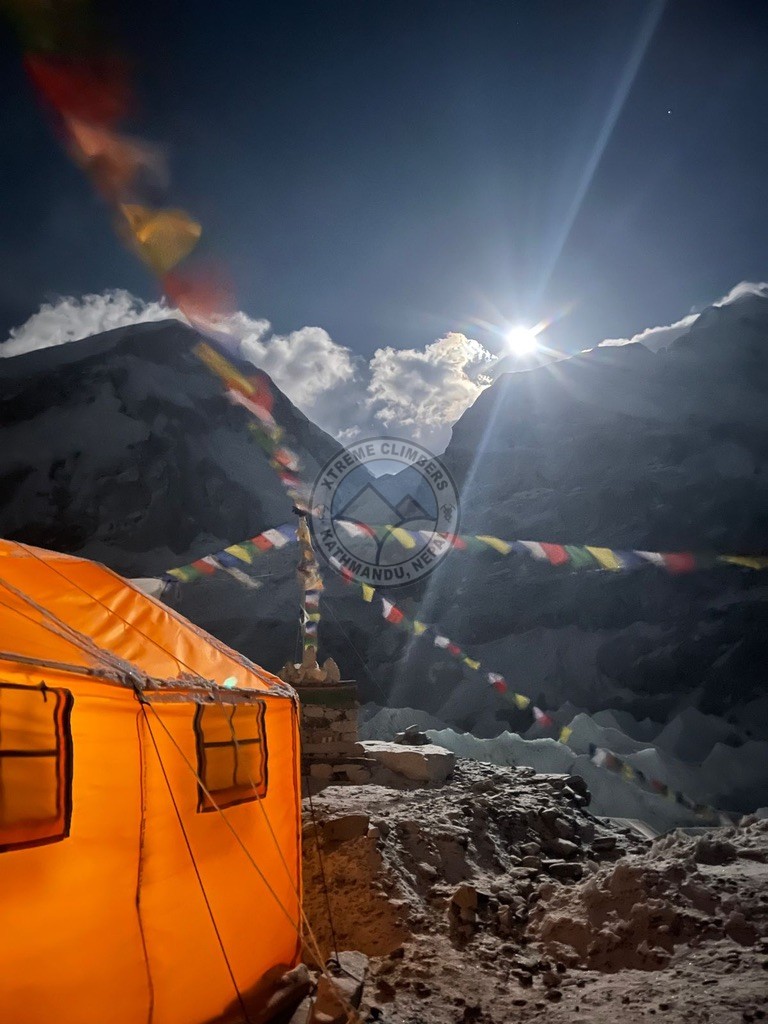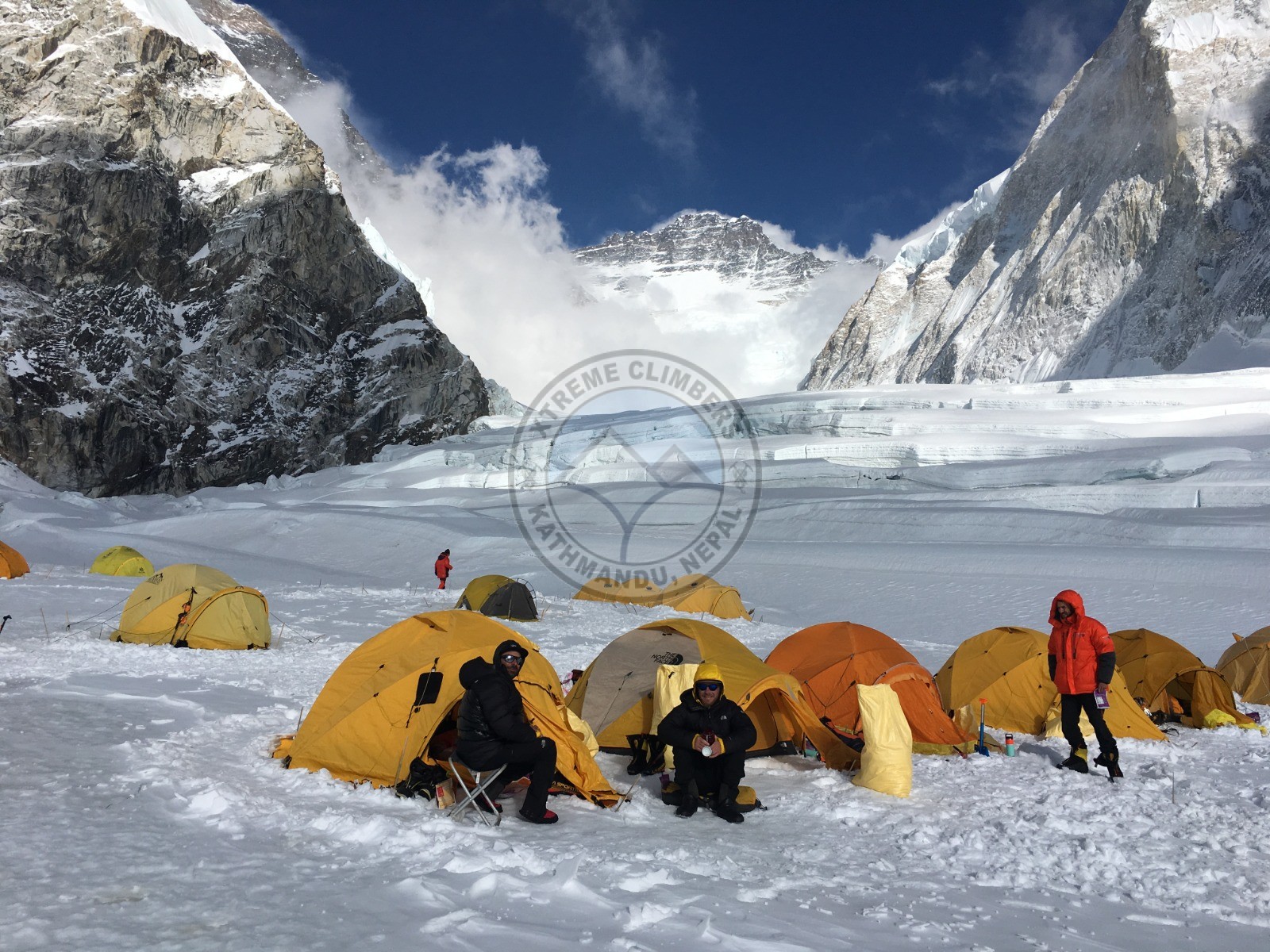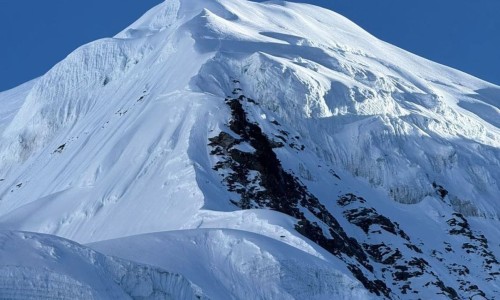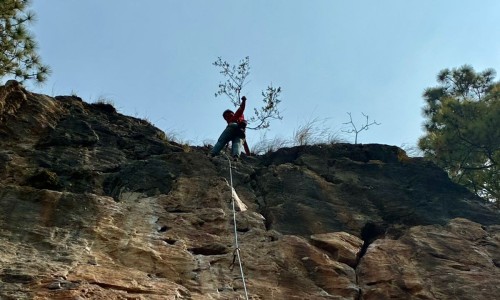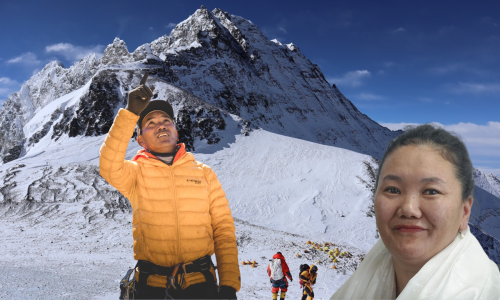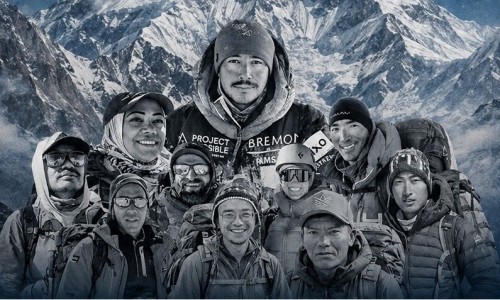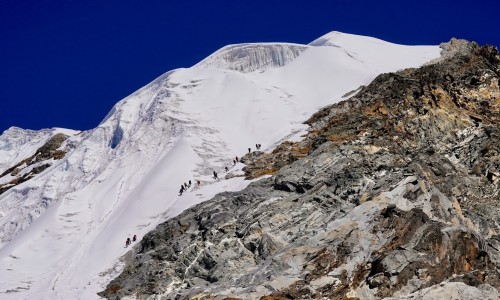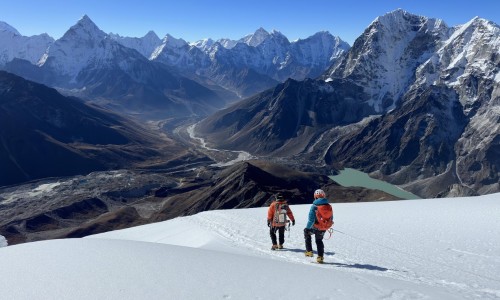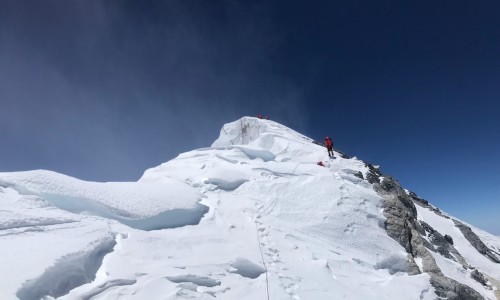







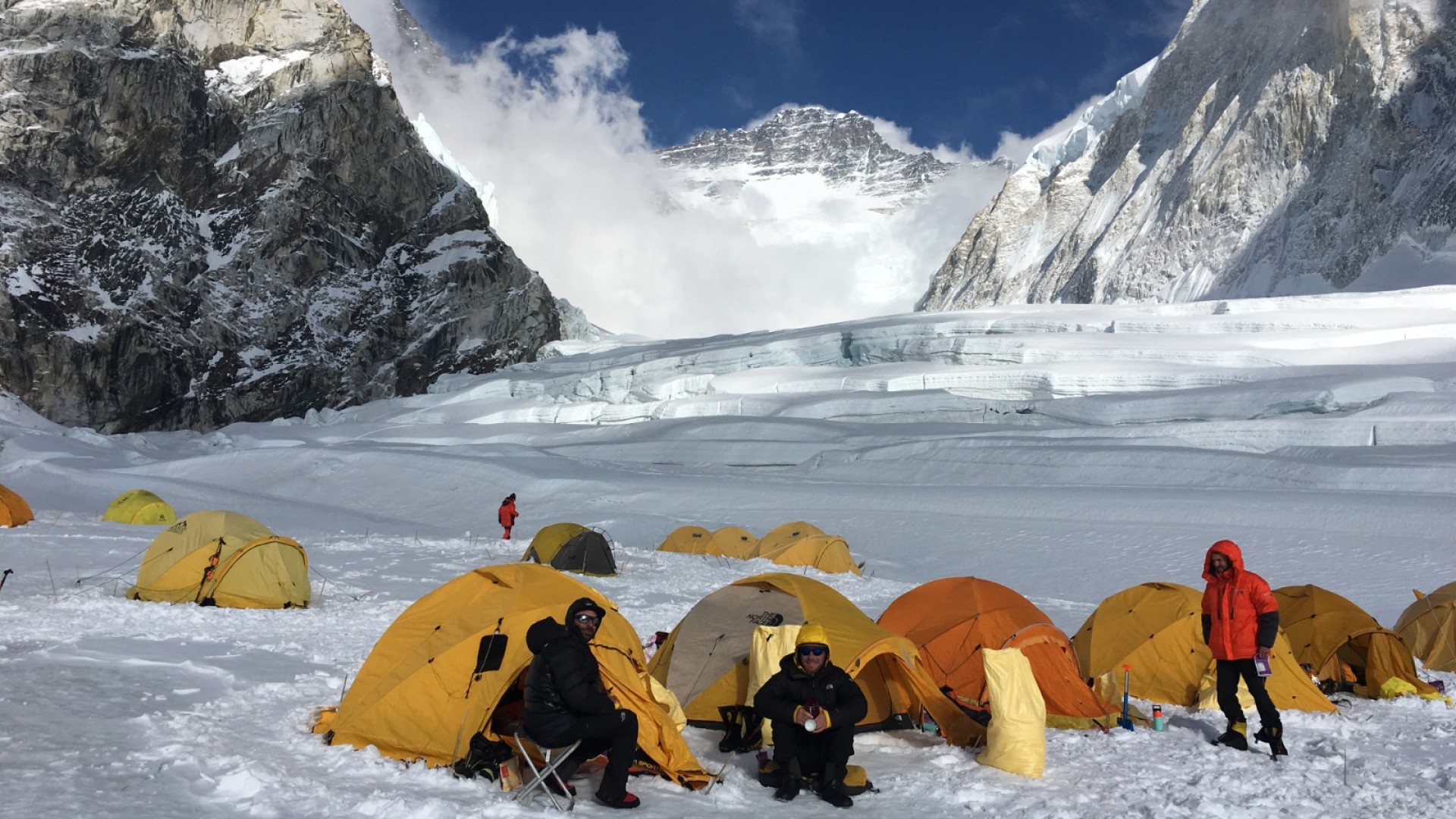
The Summit Route to the South Side of Everest is officially opened on 13 May 2026, following the successful summit by Nepal’s Sherpa rope-fixing team and the completion of fixed-line installation from Base Camp to the summit.
This critical milestone officially marks the beginning of the main summit phase of the Spring 2026 Everest climbing season, as hundreds of international climbers, expedition leaders, and high-altitude Sherpa teams now prepare for their final summit rotations on the world’s highest peak.
However, the 2026 season has already emerged as one of the most technically demanding, weather-sensitive, and operationally complex Everest seasons in recent years.
A Delayed and Highly Complex Start to the Season
Under normal conditions, Everest’s climbing route is established earlier in May to allow sufficient time for acclimatization rotations, load carries, and strategic summit planning.
In 2026, however, persistent instability across the mountain significantly delayed progress.
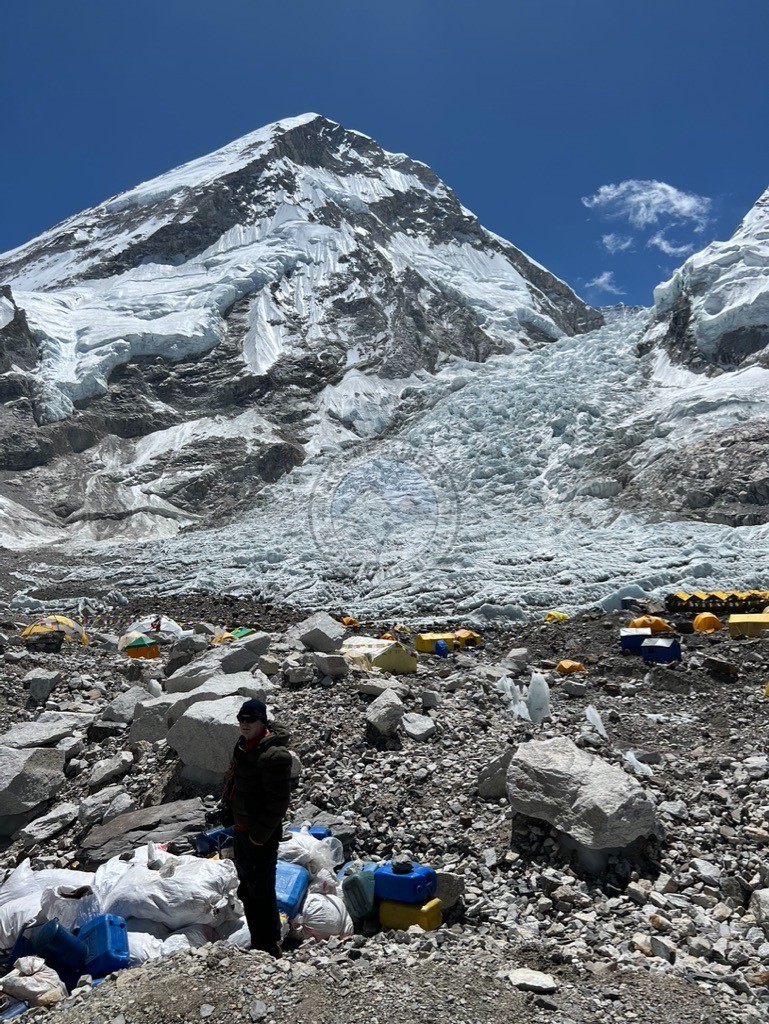
The most serious challenges developed in the Khumbu Icefall, where shifting seracs, deep crevasses, and unstable ice formations created hazardous conditions for the Icefall Doctors and rope-fixing teams responsible for establishing the route.
At the same time, repeated storms and intense jet-stream activity above the South Col disrupted rotation schedules and delayed movement to higher camps. Strong winds across the upper mountain further complicated rope-fixing operations and slowed overall progress.
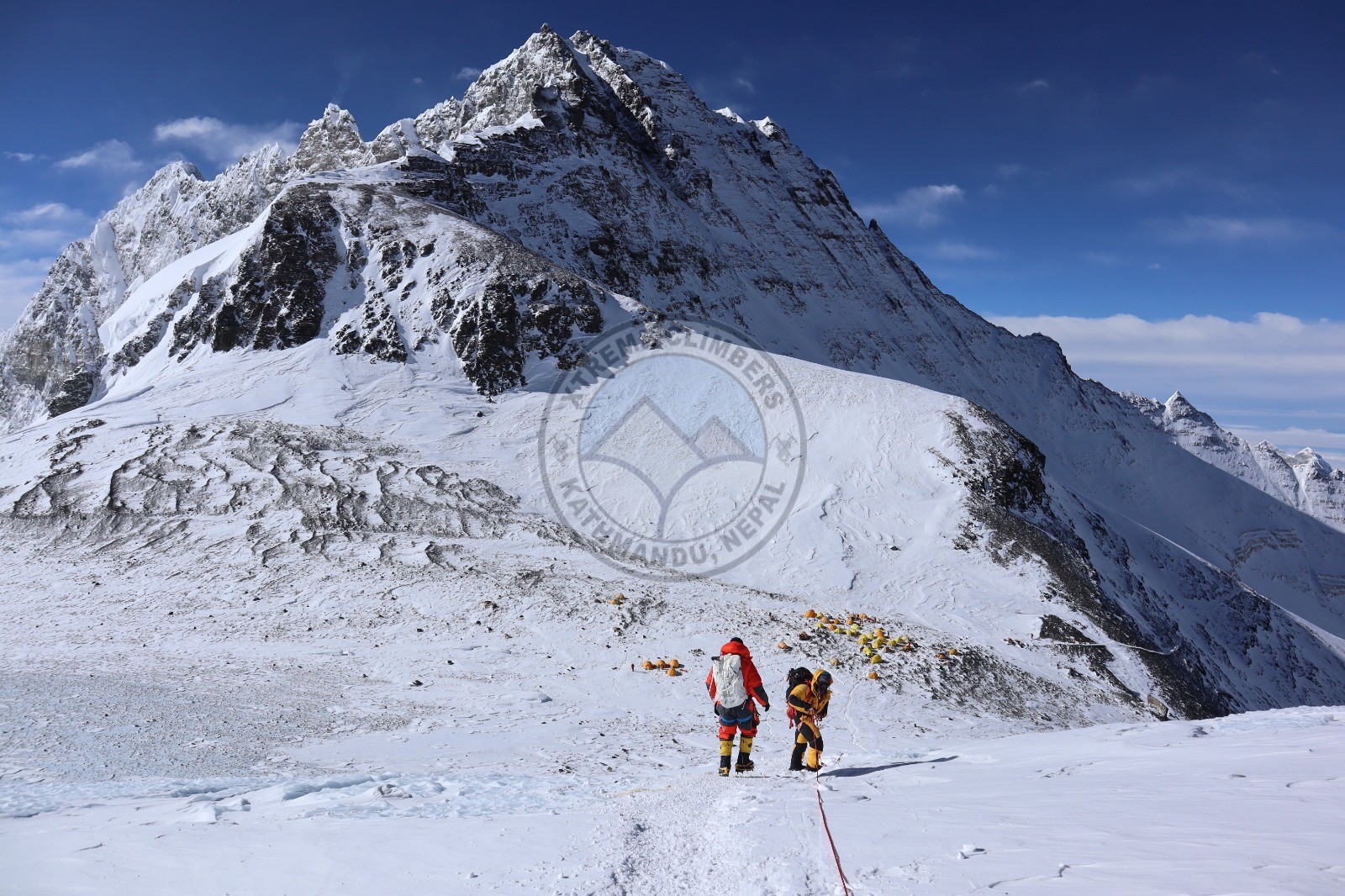
Despite these extreme difficulties, Nepal’s highly experienced Sherpa climbers and support teams successfully completed the route to the summit on 13 May 2026, marking a major operational achievement under demanding conditions.
Weather Remains the Defi ning Factor of 2026
Although the route is now officially open, the mountain remains highly unstable.
Meteorological forecasts indicate that the 2026 summit window may be unusually short, compressed, and congested, due to prolonged early-season weather disruptions.
Key concerns include:
- Strong upper-level jet stream winds
- Unstable snowpack formation
- Rapid weather fluctuations
- Increased avalanche exposure in the upper sections
With hundreds of permits issued this season, congestion is expected at critical bottlenecks, including the Balcony, South Summit, Hillary Step, and Summit Ridge.
Experienced expedition leaders across the mountain continue to emphasize patience, disciplined decision-making, and strict weather discipline, rather than rushed summit attempts.
On Everest, the summit is only one phase; a safe return is the true measure of success.
Khumbu Icefall: Continuing to Be the Greatest Technical Risk
The Khumbu Icefall remains one of the most dangerous sections of the entire Everest South route.
This constantly shifting glacier zone presents:
- Unstable ice towers (seracs)
- Deep and hidden crevasses
- Avalanche-prone slopes
- Constant route changes
In 2026, the Icefall has shown notably higher instability, requiring stricter movement timing, enhanced coordination, and improved safety protocols for climbers and support teams.
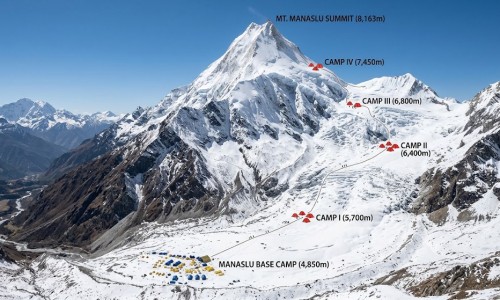
Above Camp IV, climbers enter the infamous “Death Zone”, where oxygen levels are critically low and human performance rapidly declines. In this environment, even small misjudgments can have serious consequences.
Proper acclimatization, experienced leadership, and precise weather monitoring remain essential for safe expedition management.
The Extraordinary Contribution of Nepal’s Sherpa Community
The successful opening of the Everest route once again highlights the unmatched expertise and resilience of Nepal’s Sherpa community and Icefall Doctors.
Working in one of the most extreme environments on Earth, they are responsible for:
- Establishing and maintaining climbing routes
- Fixing ropes across technical terrain
- Load ferry operations between camps
- High-altitude rescue and emergency support
- Overall expedition logistics coordination
Their contribution remains the foundation of all Everest expeditions and continues to define Himalayan mountaineering success.
The Xtreme Climbers Perspective
Everest represents far more than a summit objective — it is the ultimate test of discipline, leadership, and responsibility in high-altitude environments.
The company’s expedition philosophy is built on:
- Safety-first decision making
- Ethical and responsible mountaineering practices
- Strong logistical and technical planning
- Environmental awareness and sustainability
- Continuous monitoring of weather and route conditions
Throughout the 2026 season, expedition teams are maintaining close observation of:
- Weather developments
- Route stability
- Climber health and acclimatization
- Risk management protocols across all camps
In high-altitude mountaineering, leadership is defined not only by reaching the summit, but also by knowing when to wait, adjust plans, or turn back when conditions demand it.
Conclusion: Although the Everest route is now officially open, the mountain remains highly dynamic, unpredictable, and demanding.
The Spring 2026 season is expected to be defined by:
- Unstable weather systems
- Technical hazards in key sections
- A compressed summit window
- Increased traffic congestion
As the summit period approaches, global attention remains focused on safe climbing windows, responsible expedition strategies, and the successful return of climbers from the world’s highest peak continues to stand not only as the highest mountain on Earth, but also as the ultimate symbol of human endurance, patience, respect, and responsibility.